⭐ 65%
Tomatómetro
Fresh
👥 61%
Audiencia
777 votos
Dónde ver
Streaming


Renta


Detalles
- Estado
- Released
- Duración
- 2h 28m
- Estreno
- 16 de julio de 2025
- Presupuesto
- $25,000,000
- Taquilla
- $13,738,227
🎬 PelículaWesternComediaCrimen2025⏱ 2h 28m
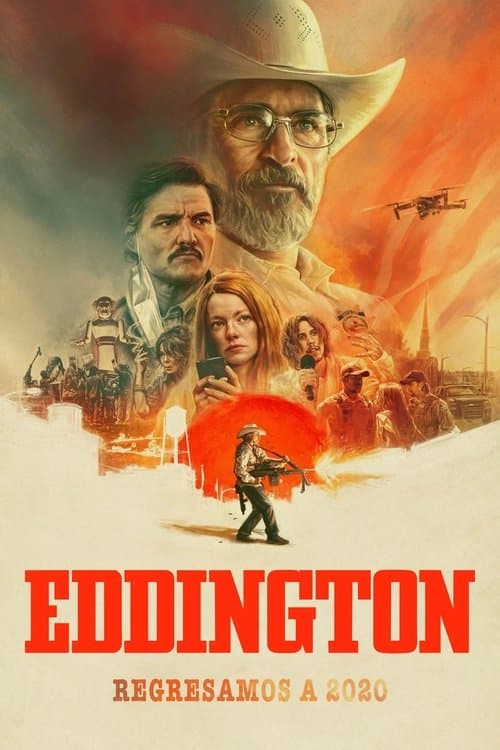
Eddington: Regresamos a 2020
"Volvimos a 2020"
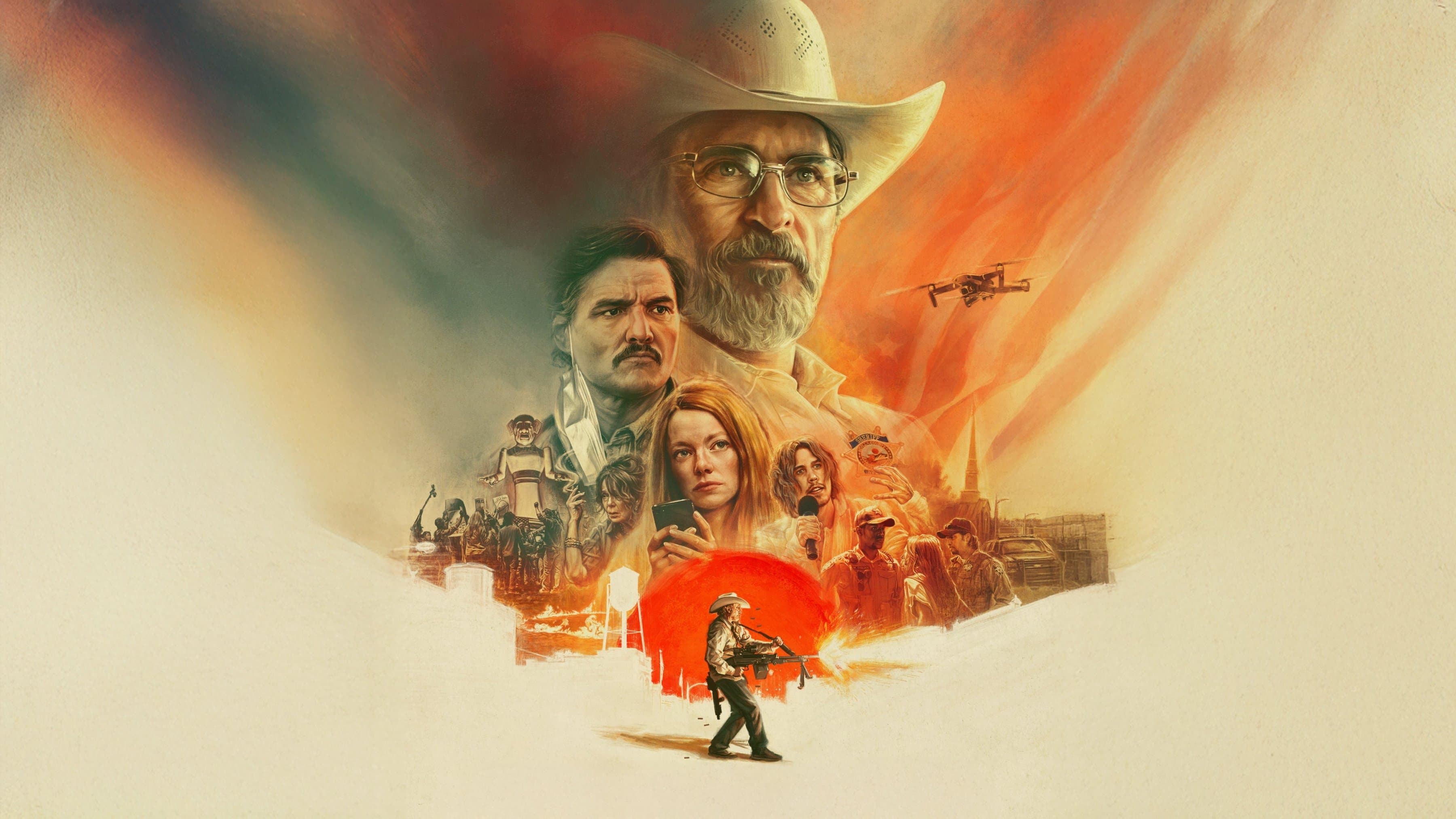
Mayo de 2020. En un viaje por carretera, una pareja se queda atrapada en Eddington, un pequeño pueblo de Nuevo México durante la pandemia. Inicialmente son bien acogidos, pero todo da un giro siniestro al caer la noche. El enfrentamiento entre el sheriff (Joaquin Phoenix) y el alcalde (Pedro Pascal) desata el caos cuando los vecinos se enfrentan entre sí.
Director
Ari AsterGuión
Ari Aster
Reparto principal


🎬 Trailers y clips
📝 Reseñas de críticos
1 reseñas
Marco-Hugo Landeta Vacas
26 mar 2026
(CASTELLANO) Eddington me ha parecido una película estimulante, incómoda y bastante irregular. Se deja ver bien porque Ari Aster sabe cargar el ambiente, tensar las escenas y transmitir la sensación de que todo está a punto de estallar. La sitúa en plena época del COVID-19, pero no para usar la pandemia como simple decorado, sino para meterse de lleno en el miedo, la paranoia, las conspiraciones y esa crispación moral que acabó contaminándolo todo. Lo más interesante está en cómo retrata un mundo en el que nadie parece escuchar a nadie. Todo pasa por el filtro del móvil, del discurso, de la sospecha y de la necesidad de tener razón. La película capta bastante bien esa sensación de locura compartida, de realidad deformada, de sociedad atrapada entre la pose pública, el delirio privado y el enfrentamiento constante. Ahí sí tiene fuerza y mala leche. Joaquin Phoenix vuelve a demostrar que sabe moverse como pocos en personajes incómodos, torcidos, incluso ridículos, sin dejar de resultar magnético. También Pedro Pascal aporta presencia, y entre los dos sostienen bastante bien una película que, por momentos, parece empeñada en sabotearse a sí misma. Aster sigue teniendo ojo para lo enfermizo, para el detalle absurdo y para crear una tensión que nunca termina de estar quieta. El problema es que quiere meter demasiadas cosas a la vez. Sátira política, comedia negra, thriller, retrato social, violencia, absurdo... y no siempre lo encaja todo con la misma precisión. Hay ratos en los que esa mezcla funciona muy bien, pero otros en los que la película se dispersa, se recrea demasiado y acaba dando una cierta sensación de exceso. Se nota que tiene ideas, pero no todas llegan igual de bien. Tampoco ayuda que varios personajes estén más pensados como símbolos de una sociedad enferma que como personas con verdadera vida interior. Eso refuerza la lectura general, sí, pero le resta algo de emoción. Y en una película tan larga y tan cargada de ruido, se echa de menos un poco más de humanidad entre tanta mala baba y tanta histeria colectiva. Aun así, me ha gustado. No me parece una obra redonda ni lo mejor de Ari Aster, pero sí una película con personalidad, tensión y una mirada bastante afilada sobre una época que todavía sigue escociendo. Es irregular, a veces demasiado consciente de sí misma, pero también lo bastante incómoda y potente como para que merezca la pena verla. (ENGLISH) Eddington struck me as an engaging, unsettling, and very uneven film. It holds your attention because Ari Aster knows how to load the atmosphere, tighten scenes, and create the feeling that everything is about to blow up. He sets it during the COVID-19 era, but not just to use the pandemic as background decoration. What really interests him is the fear, paranoia, conspiracies, and moral tension that ended up poisoning everything. What works best is the way it portrays a world in which nobody seems to be listening to anybody else. Everything is filtered through phones, rhetoric, suspicion, and the need to be right. The film captures that feeling of collective madness quite well, that warped reality of a society trapped between public performance, private delusion, and constant conflict. That is where it has real bite and real venom. Joaquin Phoenix once again proves how good he is at playing awkward, twisted, even ridiculous characters without ever becoming uninteresting. Pedro Pascal also brings strong presence, and together they carry a film that sometimes seems determined to sabotage itself. Aster still has a sharp eye for the sickly, the absurd detail, and the kind of tension that never fully settles down. The problem is that it tries to do too many things at once. Political satire, black comedy, thriller, social portrait, violence, absurdism... and it does not always fit those elements together with the same precision. At times the mix works really well, but at others the film drifts, overindulges itself, and starts to feel excessive. You can tell it has ideas, but not all of them land equally well. It also does not help that several characters feel more like symbols of a sick society than people with real inner life. That strengthens the larger reading, yes, but it also takes away some emotion. And in such a long film, so full of noise and agitation, you miss a little more humanity beneath all the bitterness and collective hysteria. Even so, I liked it. I do not think it is a fully achieved work or Ari Aster’s best film, but it does have personality, tension, and a sharp enough view of a period that still feels raw. It is uneven, sometimes too pleased with itself, but also uncomfortable and forceful enough to be worth watching.