⭐ 63%
Tomatómetro
Fresh
👥 59%
Audiencia
986 votos
Dónde ver
Streaming


Renta




Detalles
- Estado
- Released
- Duración
- 1h 46m
- Estreno
- 2 de septiembre de 2020
- Presupuesto
- $15,000,000
- Taquilla
- $7,060,384
🎬 PelículaTerror2020⏱ 1h 46m
Elegida
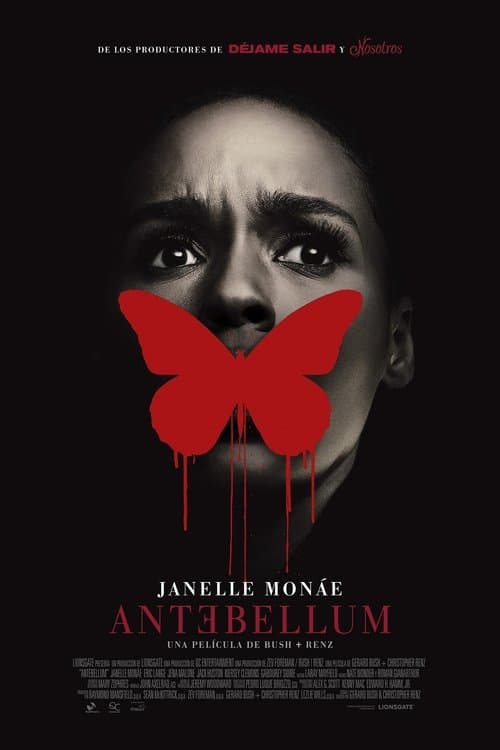
"Si te elige, no podrás escapar"
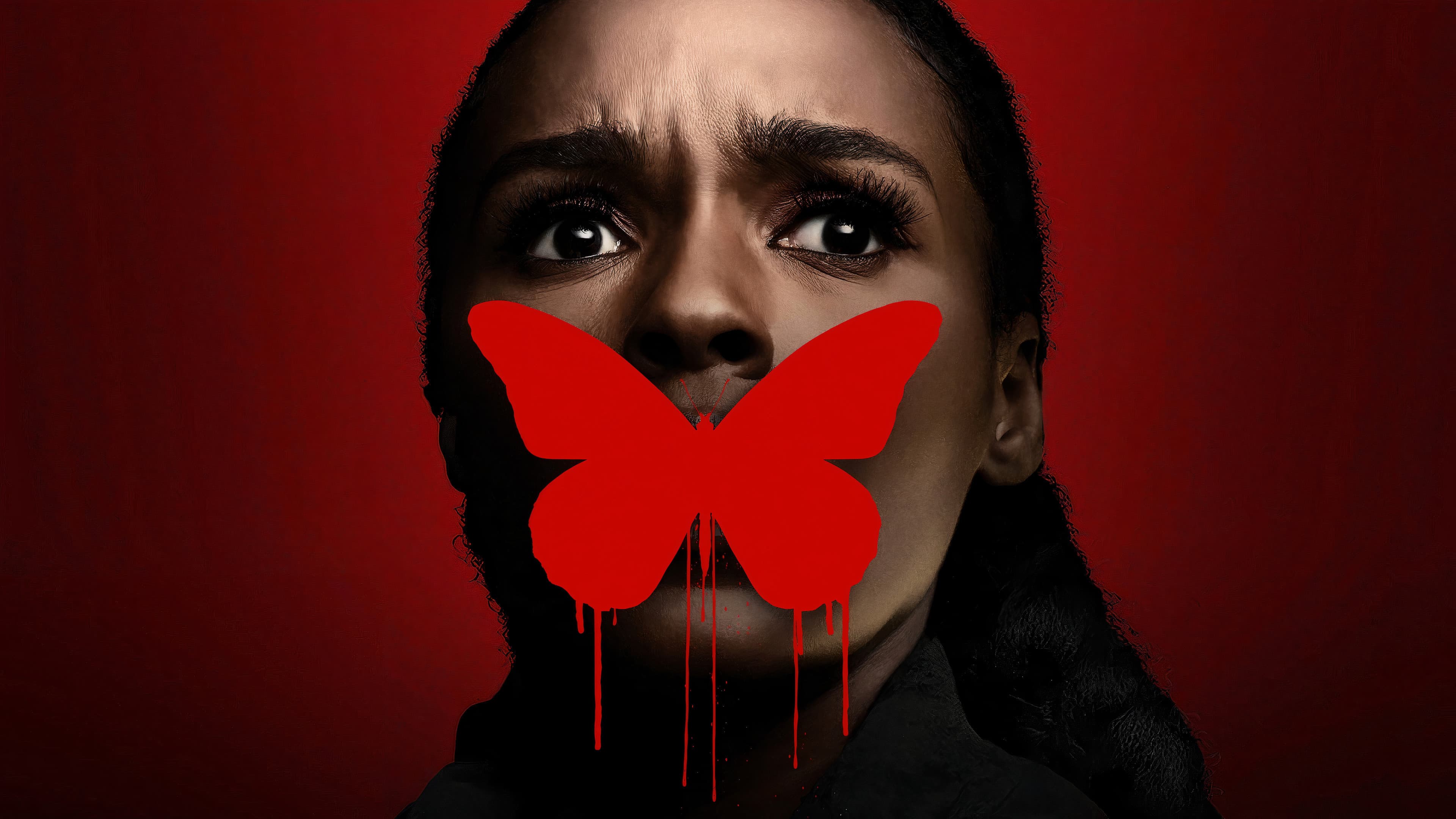
Verónica es una escritora de éxito que queda atrapada en una terrorífica realidad cuyo misterio debe resolver antes de que sea demasiado tarde.
Director
Gerard BushGuión
Gerard Bush, Christopher Renz
📝 Reseñas de críticos
1 reseñas
Marco-Hugo Landeta Vacas
31 ene 2026
(CASTELLANO) Antebellum es una película incómoda desde el primer minuto, y no solo por lo que muestra, sino por cómo lo muestra. El tema que aborda —el racismo estructural, pasado y presente— es real, doloroso y sigue siendo negado por muchos. Eso genera una rabia legítima como espectador. El problema es que esa rabia no siempre se transforma en una reflexión sólida, y ahí es donde la película empieza a fallar. Visualmente es potente, incluso elegante. Hay una puesta en escena muy cuidada y una voluntad clara de impactar, de sacudir, de no dejarte respirar. Janelle Monáe sostiene la película con presencia y entrega, y es fácil empatizar con su personaje incluso cuando el guion empieza a forzar situaciones. Ella está muy por encima del material que le toca defender. El gran conflicto de Antebellum es su manera de subrayarlo todo. La idea central es clara desde muy pronto, y aun así la película insiste, machaca y recalca, como si no confiara en la inteligencia del espectador. Eso provoca que lo que podría ser perturbador acabe resultando desagradable, no por lo que denuncia, sino por la falta de matices y de respiración narrativa. Como thriller funciona a ratos. Hay tensión, hay momentos que inquietan de verdad y escenas que se quedan grabadas. Pero cuando intenta cerrar su discurso, la película opta por el golpe fácil y el mensaje en mayúsculas, perdiendo fuerza justo cuando más falta le haría sutileza. Se queda más en la provocación que en el análisis. No es una mala película ni mucho menos irrelevante. Tiene intención, energía y un tema que importa. Pero también es un ejemplo claro de cómo una idea potente puede diluirse cuando se prioriza el impacto inmediato sobre la profundidad. Te enfada, te remueve… y al final te deja con la sensación de que podía haber sido mucho más. (ENGLISH) Antebellum is an uncomfortable film from the very first minute, and not only because of what it shows, but because of how it shows it. The subject it tackles —structural racism, past and present— is real, painful, and still denied by many. That generates a legitimate anger as a viewer. The problem is that this anger does not always turn into solid reflection, and that is where the film begins to falter. Visually, it is powerful, even elegant. There is a very carefully crafted mise-en-scène and a clear desire to shock, to shake the viewer, to give you no room to breathe. Janelle Monáe carries the film with presence and commitment, and it is easy to empathize with her character even when the script starts forcing situations. She is far above the material she is asked to defend. The main conflict of Antebellum lies in its need to underline everything. The central idea is clear very early on, and yet the film insists, hammers, and reiterates, as if it did not trust the intelligence of the audience. This causes what could be disturbing to end up feeling unpleasant, not because of what it denounces, but because of its lack of nuance and narrative breathing room. As a thriller, it works at times. There is tension, there are moments that are genuinely unsettling, and scenes that stay with you. But when it tries to close its argument, the film opts for the easy blow and the message in capital letters, losing strength precisely when subtlety would matter most. It remains closer to provocation than to analysis. It is not a bad film, nor is it irrelevant. It has intention, energy, and a subject that matters. But it is also a clear example of how a powerful idea can be diluted when immediate impact is prioritized over depth. It angers you, it shakes you… and in the end leaves you with the feeling that it could have been much more.