❌ 59%
Tomatómetro
Rotten
👥 56%
Audiencia
36 votos
Detalles
- Estado
- Released
- Duración
- 1h 33m
- Estreno
- 8 de octubre de 2020

📝 Reseñas de críticos
1 reseñas
Danybur
20 jun 2021
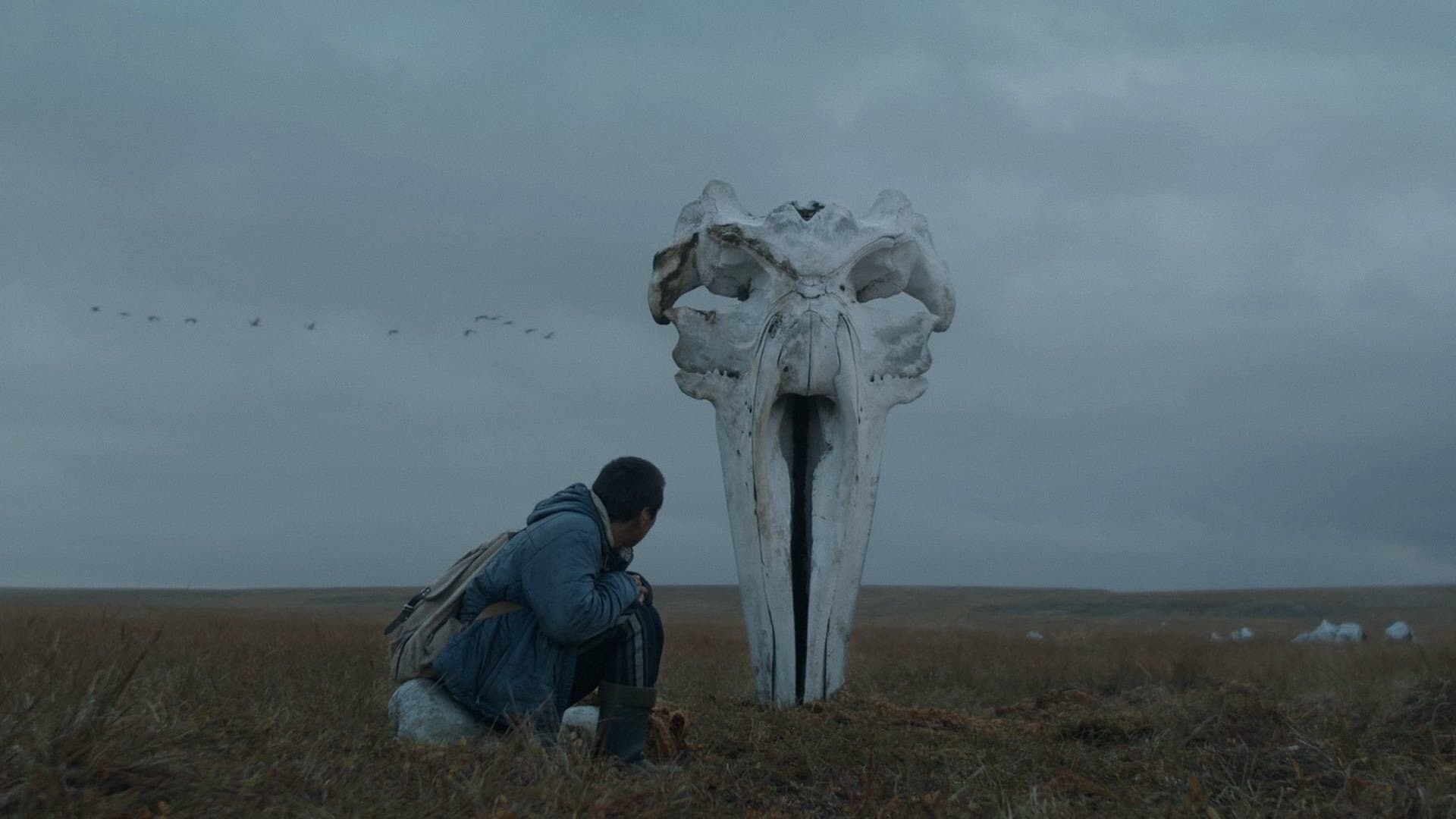
(Español / English) Admirable fábula realista en la inmensidad de la tundra / Admirable realistic fable in the vastness of the tundra. Sumario Este maravilloso y conmovedor relato sobre un joven cazador de ballenas y su comunidad en los confines de la Siberia oriental, va del realismo naturalista a la fábula, combina el coming of age con el retrato social, exhibe las dosis justas de ternura y de poesía y luce una sobriedad que lo preserva de cualquier desborde sensiblero. https://impresionescinefilas.wordpress.com/2021/06/20/el-cazador-de-ballenas-kitoboy/ Reseña Leshka (Vladimir Onokhov) es un adolescente chukchi que vive en un pueblo costero sobre el Estrecho de Bering, en la región autónoma de Chukotka (Federación Rusa), en los confines de la Siberia oriental. Los habitantes del pueblo se dedican a la caza de ballenas con arpón. A partir del momento en que Leshka ve por internet a una cam girl estadounidense y se enamora de ella, su vida sufre un giro decisivo. Leshka vive con su abuelo y pasea en moto con su amigo a través de la infinita tundra. Participa de las partidas de caza (de un realismo documental) y no hace muchos más en esa comunidad pobre, con un entorno desolado, aislada geográficamente y habitada mayoritariamente por hombres. Una comunidad con un porvenir limitado pero solidaria y con el horizonte muy cercano de la Alaska americana. Acaso el soñado encuentro planeado por Leshka sea una quimera necesaria para dejar atrás su comunidad. (Acotemos como nota al margen, que la etnia chukchi es la más emparentada con la de los pueblos originarios americanos.) Este primer largometraje de Philipp Yuryev (con guion de su autoría) combina admirablemente una gran variedad de registros y géneros: la comedia, el drama naturalista, el coming of age, el retrato social y la fábula y hasta el relato de aventuras. La misma diversidad se aprecia en el relato cinematográfico: a escenas prolongadas, con o sin planos fijos, intimistas o en la inmensidad desolada de la tundra (admirablemente fotografiada), suceden series de escenas breves que irrumpen sin transiciones y con bruscos cambios de escenario u otras de extrema agitación. A todo ello se suma una increíble banda sonora. En definitiva, un maravilloso y conmovedor relato que va del realismo naturalista a la fábula, que combina el coming age con el retrato social, que exhibe las dosis justas de ternura y de poesía y que se encuentra a salvo de cualquier desborde sensiblero gracias a su sobriedad. (Spanish / English) Summary This wonderful and moving story about a young whale hunter and his community in the confines of eastern Siberia, goes from naturalistic realism to fable, combines the coming of age with the social portrait, exhibits the right doses of tenderness and poetry and he sports a sobriety that preserves him from any maudlin overflow. https://impresionescinefilas.wordpress.com/2021/06/20/el-cazador-de-ballenas-kitoboy/ Review Leshka (Vladimir Onokhov) is a Chukchi teenager who lives in a coastal town on the Bering Strait, in the autonomous region of Chukotka (Russian Federation), in the confines of eastern Siberia. The villagers are engaged in harpoon whaling. From the moment Leshka sees an American cam girl online and he falls in love with her, her life takes an decisive turn. Leshka lives with his grandfather and rides a motorcycle with his friend across the endless tundra. He participates in hunting parties (of a documentary realism) and does not do many more in that poor community, with a desolate environment, geographically isolated and inhabited mainly by men. A community with a limited but supportive future and with the very close horizon of American Alaska. Perhaps Leshka's dream encounter is a necessary chimera to leave his community behind. (Let us add as a side note that the Chukchi ethnic group is the most related to that of the original American peoples.) This first feature film by Philipp Yuryev (scripted by him) admirably combines a wide variety of registers and genres: comedy, naturalistic drama, coming of age, social portraiture and fable and even adventure story. The same diversity is appreciated in the cinematographic narrative: in prolonged scenes, with or without fixed, intimate shots or in the desolate immensity of the tundra (admirably photographed), there are series of short scenes that erupt without transitions and with abrupt changes of scenery or others of extreme agitation. To all this is added an incredible soundtrack. In short, a wonderful and moving story that goes from naturalistic realism to fable, which combines the coming age with the social portrait, which exhibits the right doses of tenderness and poetry and which is safe from any sentimental overflow thanks to its sobriety.