✅ 75%
Tomatómetro
Certified Fresh
👥 71%
Audiencia
8,076 votos
Dónde ver
Streaming


Renta




Detalles
- Estado
- Released
- Duración
- 2h 8m
- Estreno
- 9 de agosto de 2018
- Presupuesto
- $15,000,000
- Taquilla
- $93,411,426
🎬 PelículaCrimenComediaDramaHistoria2018⏱ 2h 8m
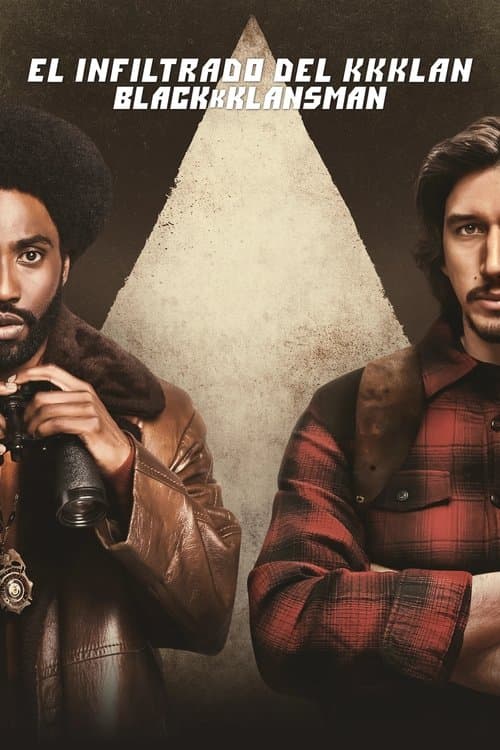
El infiltrado del KKKlan
Ron Stallworth, un policía afroamericano de Colorado Springs, Colorado, logra infiltrarse con éxito en la rama local del Ku Klux Klan con la ayuda de un sustituto judío que finalmente se convierte en su líder. Basado en hechos reales.
Director
Spike LeeGuión
Charlie Wachtel, David Rabinowitz, Kevin Willmott


📝 Reseñas de críticos
1 reseñas
Marco-Hugo Landeta Vacas
25 ene 2026
(CASTELLANO) Spike Lee vuelve a hacer lo que mejor sabe: mezclar entretenimiento, discurso político y una mala leche muy consciente de sí misma. Infiltrado en el KKKlan es una película que entra fácil, incluso con una sonrisa, y poco a poco va tensando el tono hasta dejar claro que aquí no se viene solo a pasar el rato. Es cine incómodo a ratos, directo, y con una intención clarísima desde el primer minuto. La historia engancha porque funciona como thriller, como comedia absurda y como sátira histórica al mismo tiempo. Hay situaciones que rozan lo surrealista, pero Lee juega precisamente con esa sensación para subrayar lo ridículo —y peligroso— de lo que está contando. El humor no suaviza el mensaje, lo hace más punzante. Te ríes… y casi al mismo tiempo te das cuenta de por qué no deberías hacerlo del todo. John David Washington sostiene la película con carisma y presencia, y Adam Driver funciona muy bien como contrapunto. La química entre ambos es clave para que la propuesta no se caiga en el exceso de discurso. Spike Lee sabe cuándo apretar y cuándo dejar que los personajes respiren, aunque es cierto que en algunos momentos su voz como autor se impone más que la historia. Visualmente y a nivel de ritmo, la película es muy eficaz. Tiene nervio, estilo y una energía que recuerda al Spike Lee más inspirado, sin renunciar a sus marcas habituales. Puede resultar irregular por momentos, pero nunca es plana ni indiferente. Siempre está pasando algo, ya sea en la trama o en lo que sugiere entre líneas. El tramo final deja claro que esto no es solo una película de época ni una anécdota curiosa. Lee conecta pasado y presente sin sutilezas, de forma frontal, y ahí puede incomodar a algunos espectadores. Pero es coherente con todo lo que ha venido contando antes. Infiltrado en el KKKlan entretiene, provoca y obliga a mirar de frente una parte muy concreta —y muy vigente— de la historia. (ENGLISH) Spike Lee returns to what he does best: mixing entertainment, political discourse, and a very self-aware sharp edge. BlacKkKlansman is a film that goes down easily at first, even with a smile, and little by little tightens its tone until it makes clear that this isn’t just about having a good time. It’s uncomfortable cinema at times, direct, and with a very clear intention from the very first minute. The story works because it functions simultaneously as a thriller, an absurd comedy, and a historical satire. Some situations border on the surreal, but Lee plays precisely with that feeling to underline how ridiculous —and dangerous— what he’s portraying really is. The humor doesn’t soften the message; it sharpens it. You laugh… and almost at the same time you realize why you probably shouldn’t. John David Washington carries the film with charisma and presence, and Adam Driver works very well as a counterbalance. The chemistry between them is key so the film doesn’t collapse under the weight of its message. Spike Lee knows when to push and when to let the characters breathe, even if at times his authorial voice dominates the story. Visually and in terms of pacing, the film is very effective. It has energy, style, and a drive that recalls Spike Lee at his most inspired, without abandoning his familiar trademarks. It can feel uneven at moments, but it is never flat or indifferent. Something is always happening, either in the plot or between the lines. The final stretch makes it clear that this is not just a period piece or a curious anecdote. Lee connects past and present without subtlety, head-on, and that may make some viewers uncomfortable. But it is consistent with everything that came before. BlacKkKlansman entertains, provokes, and forces us to look directly at a very specific —and very current— part of history.