
Streaming


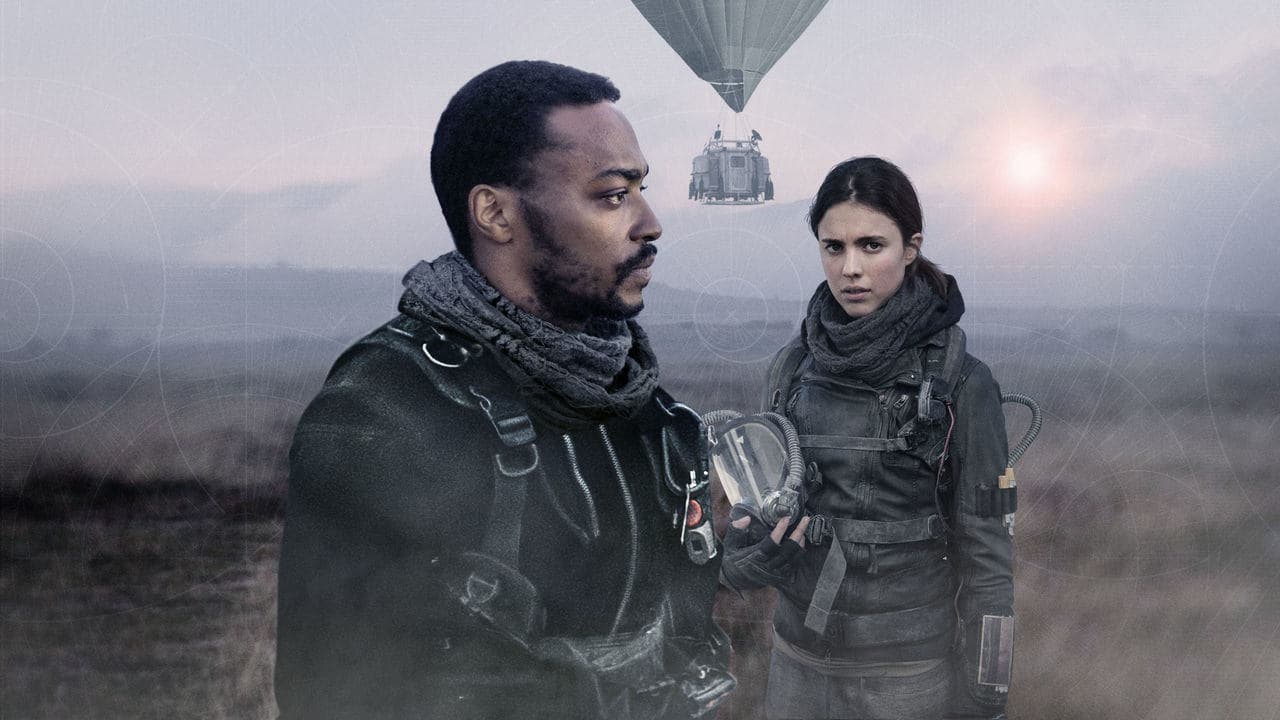
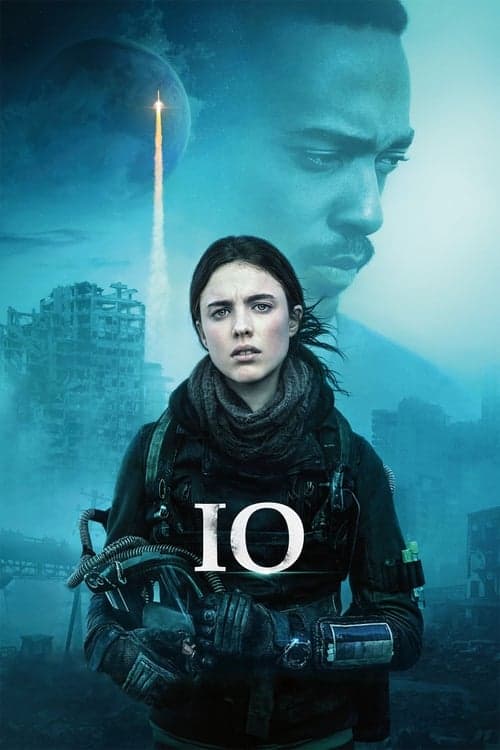
Sam, una adolescente, es una de las últimas supervivientes de una Tierra post-apocalíptica. Con el transbordador final programado para salir del planeta, Sam debe decidir si viajar al punto de lanzamiento y unirse al resto de la humanidad; o permanecer en la Tierra, y ser un náufrago en el único hogar que ha conocido.
Director
Jonathan HelpertGuión
Charles Spano, Will Basanta, Clay Jeter


Antonio Alaminos-Fernández
13 ene 2023
O is Netflix's latest low-budget sci-fi film directed by Jonathan Helpert. It follows the story of Margaret Qualley and Anthony Mackie as the last remaining people on Earth, ravaged by human neglect and Mother Nature. Everyone else has fled to IO, the largest of Jupiter's moons, to rebuild civilization. Qualley plays Sam, who stays behind to conduct tests to find a resolution to Earth's problem. Despite an intriguing premise, the movie unfolds at a slow pace and doesn't offer much to engage the audience. The plot lacks depth and the characters are not fully developed. The performances of the lead actors are decent, but not particularly convincing. The cinematography and score are the highlights of the film. However, the overall mood of the film is gloomy and the ending is unsatisfying. IO is a disappointingly average effort from Netflix, that does not fully realize its potential. ________________________ IO es la última película de ciencia ficción de bajo presupuesto de Netflix dirigida por Jonathan Helpert. Sigue la historia de Margaret Qualley y Anthony Mackie como las últimas personas que quedan en la Tierra, devastados por la negligencia humana y la Madre Naturaleza. Todos los demás han huido a IO, la luna más grande de Júpiter, para reconstruir la civilización. Qualley interpreta a Sam, quien se queda atrás para realizar pruebas para encontrar una solución al problema de la Tierra. A pesar de una premisa intrigante, la película se desarrolla a un ritmo lento y no ofrece mucho para atraer a la audiencia. La trama carece de profundidad y los personajes no están completamente desarrollados. Las actuaciones de los actores principales son decentes, pero no particularmente convincentes. La cinematografía y la partitura son los aspectos más destacados de la película. Sin embargo, el estado de ánimo general de la película es sombrío y el final es insatisfactorio. IO es un esfuerzo decepcionantemente promedio de Netflix, que no se da cuenta completamente de su potencial.

Tom Payne
Elon
Marco-Hugo Landeta Vacas
3 mar 2026
(CASTELLANO) El cine postapocalíptico suele apoyarse en el espectáculo: ruinas, multitudes desesperadas, amenazas constantes. IO hace justo lo contrario. Reduce el mundo a casi nada. Tres personajes, paisajes desolados, silencio. La propuesta es íntima, minimalista, casi contemplativa. Y ahí está su mayor virtud… y también su mayor problema. Durante buena parte del metraje parece que la película quiere hablar más de duelo y de esperanza que de ciencia ficción. El fin del mundo es un contexto, no un motor dramático. No hay grandes revelaciones ni conflictos explosivos; todo se mueve en un tono bajo, introspectivo, a veces demasiado. Se nota la ambición de hacer algo más reflexivo que espectacular, pero el guion no siempre encuentra la profundidad que pretende. Margaret Qualley sostiene gran parte del peso emocional. Su interpretación es contenida, frágil, coherente con ese mundo que se apaga lentamente. Anthony Mackie aporta un contrapunto más terrenal, más pragmático. Sin embargo, la química entre ambos no termina de encenderse. Sus diálogos, en ocasiones, suenan más conceptuales que humanos, como si estuvieran hablando de ideas en lugar de emociones reales. Visualmente, la película tiene momentos bellos. Los cielos tóxicos, los paisajes vacíos, esa sensación constante de fin de ciclo están bien capturados. La atmósfera ayuda a crear una melancolía persistente. Pero cuando la narrativa depende casi exclusivamente del estado de ánimo, el riesgo es claro: si no conectas con ese ritmo pausado, la experiencia puede volverse pesada. No es una mala película. Tiene intención, tiene coherencia estética y apuesta por una ciencia ficción pequeña, casi filosófica. Pero le falta algo de tensión, algo de pulso dramático que la saque de la contemplación permanente. Se deja ver, aunque exige paciencia. (ENGLISH) Post-apocalyptic cinema usually leans on spectacle: ruins, chaos, relentless danger. IO moves in the opposite direction. It strips the world down to almost nothing —three characters, empty landscapes, silence. The approach is intimate and minimalist, almost contemplative. That is both its greatest strength and its main weakness. For much of its runtime, the film seems more interested in grief and hope than in science fiction. The end of the world is a backdrop rather than a driving force. There are no explosive revelations or major twists; everything unfolds in a subdued, introspective tone —sometimes too subdued. The ambition to be reflective rather than spectacular is clear, but the script doesn’t always reach the depth it aims for. Margaret Qualley carries much of the emotional weight with a restrained, fragile performance that fits this fading world. Anthony Mackie provides a more grounded counterpoint. Yet their chemistry never fully ignites. At times, the dialogue feels more conceptual than human, as if they are discussing ideas instead of lived emotions. Visually, the film offers striking moments. Toxic skies and deserted landscapes create a persistent melancholy. The atmosphere is carefully crafted. But when narrative momentum depends almost entirely on mood, the risk is obvious: if you don’t connect with its slow rhythm, it can feel heavy. It’s not a bad film. It has intention and aesthetic coherence, choosing a small, almost philosophical kind of sci-fi. Still, it lacks dramatic tension and forward drive. Watchable, but demanding patience.
2004