❌ 55%
Tomatómetro
Rotten
👥 52%
Audiencia
1,038 votos
Dónde ver
Streaming


Detalles
- Estado
- Released
- Duración
- 2h 5m
- Estreno
- 22 de septiembre de 2018
🎬 PelículaSuspenseMisterioCrimen2018⏱ 2h 5m
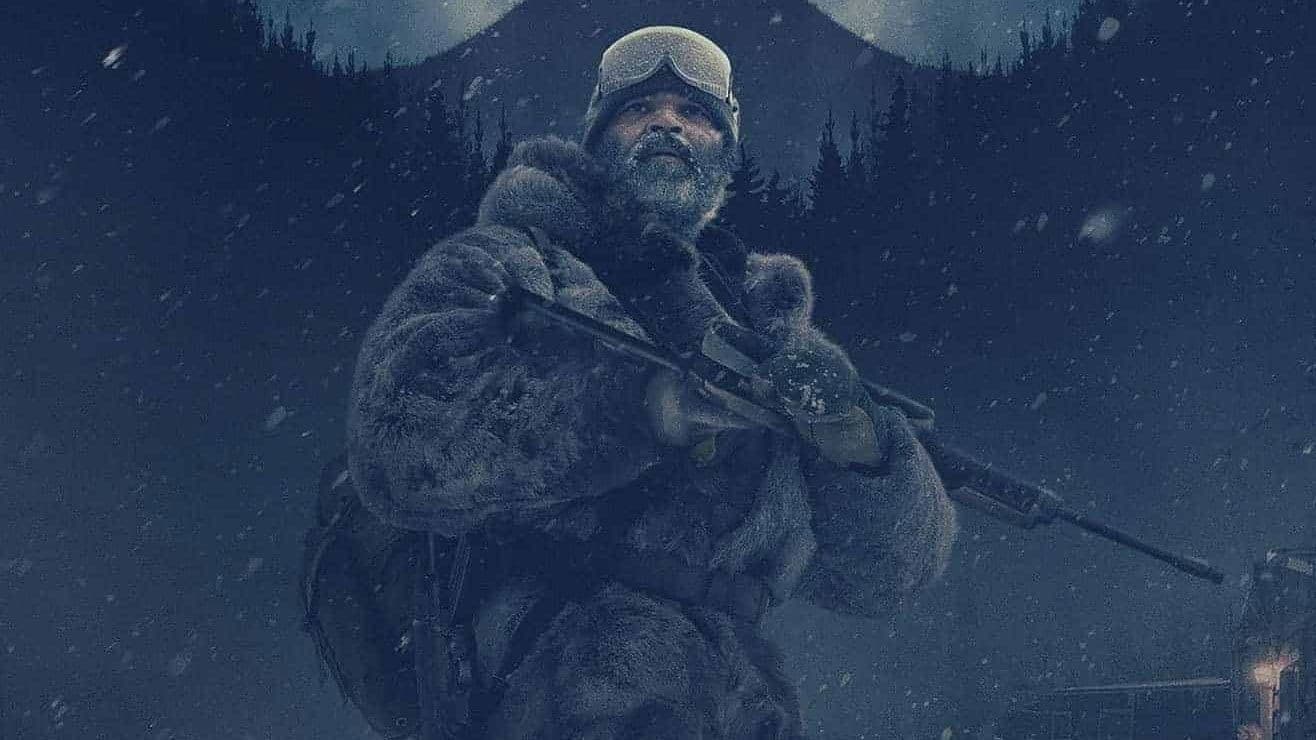
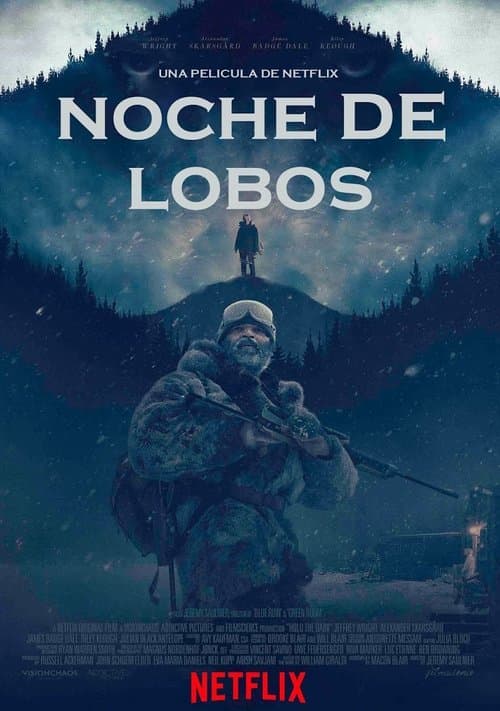
Noche de lobos
Después de la muerte de tres niños sospechosos de ser asesinados por lobos, el experto en lobos Russell Core, es contratado por los padres de un niño desaparecido de seis años para localizar a su hijo en la Alaska salvaje.
Director
Jeremy SaulnierGuión
Macon Blair, William Giraldi



📝 Reseñas de críticos
1 reseñas
Marco-Hugo Landeta Vacas
28 ene 2026
(CASTELLANO) Noche de lobos es una película incómoda desde el principio, de esas que no buscan agradar ni llevarte de la mano. Jeremy Saulnier vuelve a moverse en ese territorio áspero que tan bien conoce, donde la violencia no es estilizada ni heroica, sino seca, abrupta y, a veces, difícil de digerir. Aquí todo parece cubierto por una capa de frío, silencio y amenaza constante. La película avanza con un ritmo extraño, casi hipnótico. Hay tramos que parecen querer perder al espectador, desorientarlo, obligarlo a aceptar que no va a tener todas las respuestas. No es un thriller convencional ni pretende serlo. Saulnier mezcla géneros, tonos y símbolos con libertad, y eso juega tanto a favor como en contra del conjunto. A ratos fascina; en otros momentos, se siente excesivamente hermética. Hay una secuencia que lo cambia todo y que resulta imposible de olvidar: el tiroteo con ametralladora, brutal y devastador, rodado con una frialdad que hiela la sangre. Es uno de esos momentos que justifican por sí solos la película, no por espectacular, sino por lo radicalmente incómodo que resulta. Violencia mostrada sin épica, sin alivio, sin distancia. Visualmente, la película es poderosa. Los paisajes helados, la oscuridad constante y el uso del silencio refuerzan esa sensación de mundo hostil, casi primitivo. El entorno no es un simple fondo, sino una presencia opresiva que condiciona cada decisión y cada gesto. Todo parece diseñado para recordarte lo pequeños y frágiles que son los personajes frente a lo que les rodea. No es la obra más redonda de Saulnier ni tan directa como Green Room, y eso puede frustrar a más de uno. Pero incluso cuando no termina de encajar del todo, Noche de lobos se mantiene como una experiencia intensa, perturbadora y muy personal. Una película que no busca gustar a todo el mundo, pero que deja huella. (ENGLISH) Hold the Dark is an uncomfortable film from the very beginning, the kind that doesn’t try to please or guide the viewer by the hand. Jeremy Saulnier once again moves through the harsh territory he knows so well, where violence is neither stylized nor heroic, but dry, abrupt, and sometimes hard to digest. Everything here seems covered by a layer of cold, silence, and constant threat. The film moves forward with a strange, almost hypnotic rhythm. There are stretches that seem intent on losing the viewer, disorienting them, forcing an acceptance that not all answers will be provided. This is not a conventional thriller, nor does it pretend to be one. Saulnier blends genres, tones, and symbols freely, and that works both for and against the film. At times it fascinates; at others, it feels excessively hermetic. There is a sequence that changes everything and is impossible to forget: the machine-gun shootout, brutal and devastating, filmed with a coldness that chills the blood. It is one of those moments that justifies the film on its own, not because it is spectacular, but because of how radically uncomfortable it is. Violence shown without epic framing, without relief, without distance. Visually, the film is powerful. The frozen landscapes, the constant darkness, and the use of silence reinforce the feeling of a hostile, almost primitive world. The setting is not mere background, but an oppressive presence that shapes every decision and every gesture. Everything seems designed to remind us how small and fragile the characters are in the face of what surrounds them. It is not Saulnier’s most rounded work, nor as direct as Green Room, and that may frustrate some viewers. But even when it doesn’t fully come together, Hold the Dark remains an intense, disturbing, and deeply personal experience. A film that does not try to please everyone, but one that leaves a mark.