⭐ 67%
Tomatómetro
Fresh
👥 64%
Audiencia
178 votos
Detalles
- Estado
- Released
- Duración
- 1h 48m
- Estreno
- 31 de octubre de 2013
🎬 PelículaDramaComedia2013⏱ 1h 48m
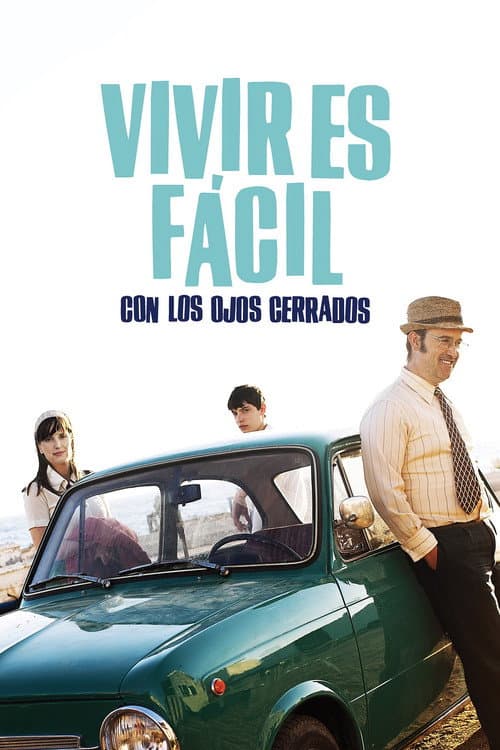
Vivir es fácil con los ojos cerrados
Director
David TruebaGuión
David Trueba





📝 Reseñas de críticos
1 reseñas
Marco-Hugo Landeta Vacas
21 abr 2026
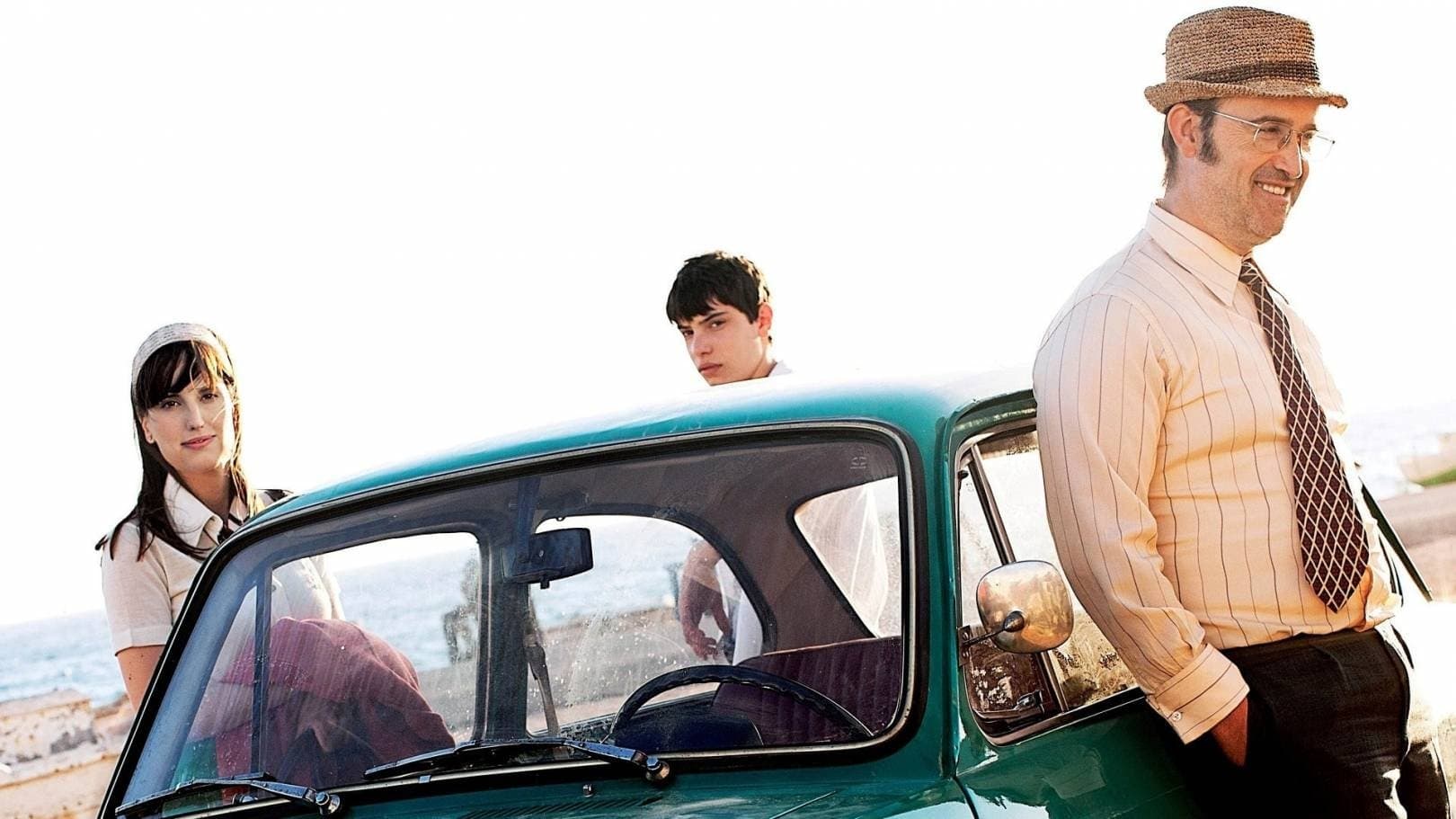
(CASTELLANO) Vivir es fácil con los ojos cerrados me ha gustado mucho. Me ha parecido una película muy bonita, muy delicada y con una melancolía muy especial, de esas que no pesan como tristeza sino que se quedan flotando con una suavidad muy humana. Tiene algo muy de David Trueba en la forma de mirar a los personajes, de acercarse a ellos sin cinismo, sin prisa y sin necesidad de subrayar demasiado nada. Se nota mucho su mano, y en mi caso eso siempre suma. Lo mejor es el tono. La película consigue ser cálida, entrañable y emotiva sin ponerse empalagosa ni falsa. Tiene esa mezcla de ternura, humor, memoria y pequeño desencanto que funciona muy bien cuando está bien llevada, y aquí lo está. No intenta hacer una gran épica de nada, sino contar un viaje íntimo, casi mínimo, donde lo importante no son solo los hechos, sino la compañía, los gestos, las conversaciones y todo lo que va cambiando por dentro de los personajes. Javier Cámara está genial. Tiene una humanidad, una naturalidad y una capacidad para sostener la película sin forzar nada que impresionan muchísimo. Hace que su personaje resulte querible, algo excéntrico y profundamente vivo al mismo tiempo. Y Natalia de Molina está también estupenda, con una mezcla muy bonita de fragilidad, rebeldía y verdad. Entre los dos, y con el resto del reparto, la película encuentra un equilibrio muy bonito entre ligereza y emoción. También me gusta mucho cómo reconstruye una época sin convertirla en una postal vacía ni en una lección de nostalgia. Está presente el contexto, claro, pero la película no vive de la ambientación como truco, sino del modo en que ese tiempo influye en la vida de los personajes. Ahí Trueba está muy fino, porque su mirada no es ni académica ni solemne, sino cercana, sensible y muy consciente de que la memoria también está hecha de pequeños detalles y de afectos. Puede que haya quien la vea demasiado amable o algo previsible en algunos tramos, y entiendo esa lectura. No es una película que busque la aspereza ni el conflicto más duro, y en eso juega claramente a favor de una emoción luminosa. Pero a mí eso no me molesta, porque la película sabe muy bien cuál es su tono y lo defiende con honestidad. No necesita volverse amarga para dejar huella. Al final, Vivir es fácil con los ojos cerrados me parece una película preciosa, melancólica en el mejor sentido y profundamente humana. Está contada con sensibilidad, con gracia y con mucho cariño por sus personajes. No es triste, aunque tenga poso; no es ligera, aunque sea amable. Y ahí está buena parte de su valor. (ENGLISH) Living Is Easy with Eyes Closed really worked for me. I found it to be a very beautiful, delicate film with a very special kind of melancholy, the sort that does not weigh you down as sadness but lingers with a gentle, human softness. There is something very David Trueba-like in the way it looks at its characters, in the way it approaches them without cynicism, without hurry, and without the need to underline everything. You can feel his hand in it, and for me that is always a plus. What works best is the tone. The film manages to be warm, endearing, and emotional without becoming syrupy or false. It has that mix of tenderness, humor, memory, and quiet disappointment that works very well when it is handled properly, and here it is. It is not trying to turn anything into a grand epic. It is telling an intimate, almost modest journey where what matters is not only what happens, but the company, the gestures, the conversations, and everything that slowly changes inside the characters. Javier Cámara is wonderful. There is so much humanity, naturalness, and quiet control in what he does, and he carries the film without ever seeming to force anything. He makes his character likable, slightly eccentric, and deeply alive at the same time. Natalia de Molina is also excellent, bringing a very beautiful mix of fragility, rebellion, and truth. Between the two of them, and with the help of the rest of the cast, the film finds a lovely balance between lightness and emotion. I also really like the way it recreates a period without turning it into an empty postcard or a lesson in nostalgia. The context is there, of course, but the film does not live off the setting as a trick. It lives through the way that time shapes the lives of its characters. Trueba is very precise there, because his perspective is neither academic nor solemn, but close, sensitive, and fully aware that memory is also made of small details and forms of affection. Some people may find it too gentle or a little predictable in places, and I can understand that reading. It is not a film that seeks roughness or the hardest kind of conflict, and in that sense it clearly leans toward a luminous kind of emotion. But that does not bother me, because the film knows exactly what tone it wants and defends it honestly. It does not need to become bitter in order to leave a mark. In the end, Living Is Easy with Eyes Closed feels to me like a beautiful film, melancholic in the best sense and deeply human. It is told with sensitivity, grace, and a lot of affection for its characters. It is not sad, even if it carries emotional depth; it is not slight, even if it is gentle. And that is a large part of its value.