
⭐ 72%
Tomatómetro
Fresh
👥 68%
Audiencia
12 votos
🍅Fresh
Detalles
- Estado
- Estrenada
- Duración
- 1h 45m
- Estreno
- 10 de enero de 1951
🎬 PelículaDrama1951⏱ 1h 45m
ابن النيل
Director
Youssef ChahineGuión
Fattoh Nashaty, Youssef Chahine, Nairuz Abdel Malek
Reparto principal


📸 Fotos
1 imágenes📝 Reseñas de críticos
1 reseñas
Aqueronte72
16 jun 2025
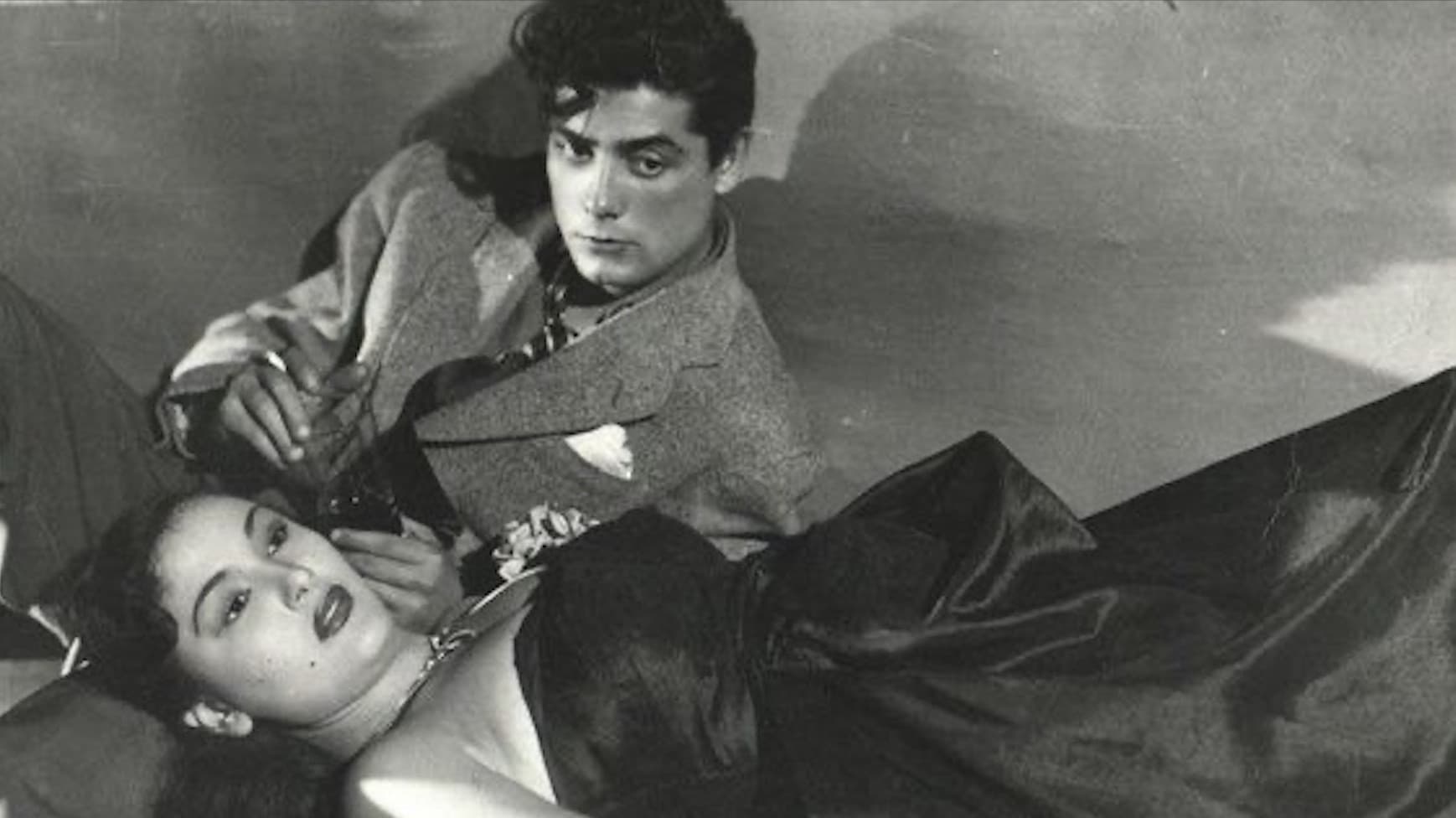
In the same year that this Egyptian film was released, whose drama restores confidence in the difficult but more advisable rural life, after the young Hamid suffers the painful ordeal of trying to get ahead in the city, pushed aside by circumstances, that same year ‘Bajo el cielo de Asturias’ (Under the Sky of Asturias) by Gonzalo Delgrás, with the same concern for the people of the countryside and the metropolis. From the outset, it is clear where the eyes and imagination of the child Hamid, standing at the train station, are wandering. The jump in time shows us a young man dissatisfied with ploughing the land alongside two oxen as thin as rakes, and of course, ranting about the heat and the monotony, but hey, he’s lucky in love, besieged by Zubaydah who, by dint of chasing him through the countryside, makes him promise to marry her, but the young man openly rejects her until Inrahim, the brother, and Hamid himself come to blows in a scene in which they almost burn down the hut or kill their mother with grief at seeing them fight. The wedding scene is delightful and worth the 4 stars on its own because it features a traditional dance, especially in the context of peasant women, similar, although I am no expert, to raqs baladi or folk dance, which is an elementary dance with movements mainly of the pelvis and hips. The days will return to the sun and the plough, but with the difference that Zubaydah is pregnant and the economic tension is growing. Fed up with being bossed around and forced to work on the land he hates, Hamid explodes at his mother and wife and grabs his bundle to jump on the train and leave, but his wife runs after him despite her condition and, unable to catch up with him, she faints on the train tracks. Hamid jumps off the carriage and returns to carry her back until the baby is born. Cursing his luck at seeing his wife die in childbirth, this time he leaves and is dazzled by the lights and modernity of Cairo, the nightclubs and other oddities that do not exist in his village, coming into contact with a certain Hakiema as a khawaja or foreigner. Unfortunately, as was to be expected, he falls into the clutches of a criminal gang led by a ruthless gangster. First they get him drunk, and when he wakes up he screams and kicks, asking where his money is, ha ha ha. This whole sequence is funny because he is a typical amateur who tried and failed, and that is how he ended up hired to exchange suitcases at certain strategic points. Unable to withstand the pressure and fearing for his life, he is forced to collaborate with the gang, and suddenly supported by Boussy. He becomes involved in illegal activities such as theft and prostitution. Finally, the police arrest the gang and Hemaidah ends up in prison. The painful part is when his brother, Uncle Ibrahim, makes the entire journey with the money from the harvest to go and look for him, and Hamid denies him or rejects him at the entrance to the bar or punk club, seeing his face in tears because of Hamid’s ingratitude. After his release from prison, he returns home to find that the rising waters have destroyed his crops and his house, but he is reunited with his wife and his son.