⭐ 71%
Tomatómetro
Fresh
👥 68%
Audiencia
788 votos
Detalles
- Estado
- Released
- Duración
- 1h 25m
- Estreno
- 18 de agosto de 1969
- Presupuesto
- $1,530,000
- Taquilla
- $6,080,000
🎬 PelículaComediaCrimen1969⏱ 1h 25m
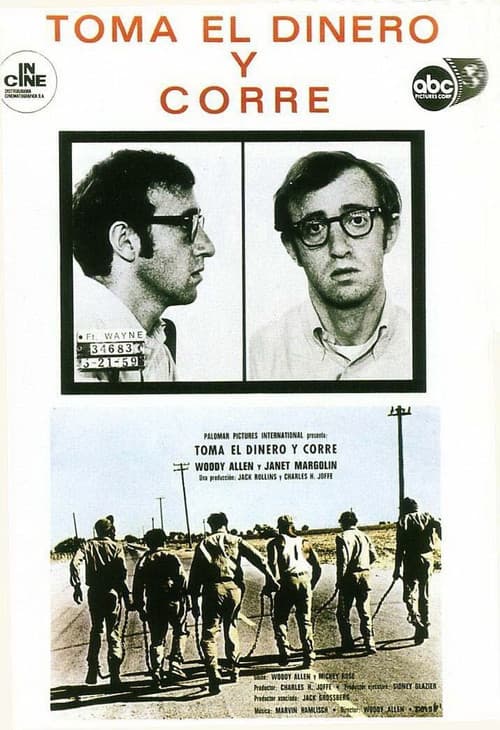
Toma el dinero y corre
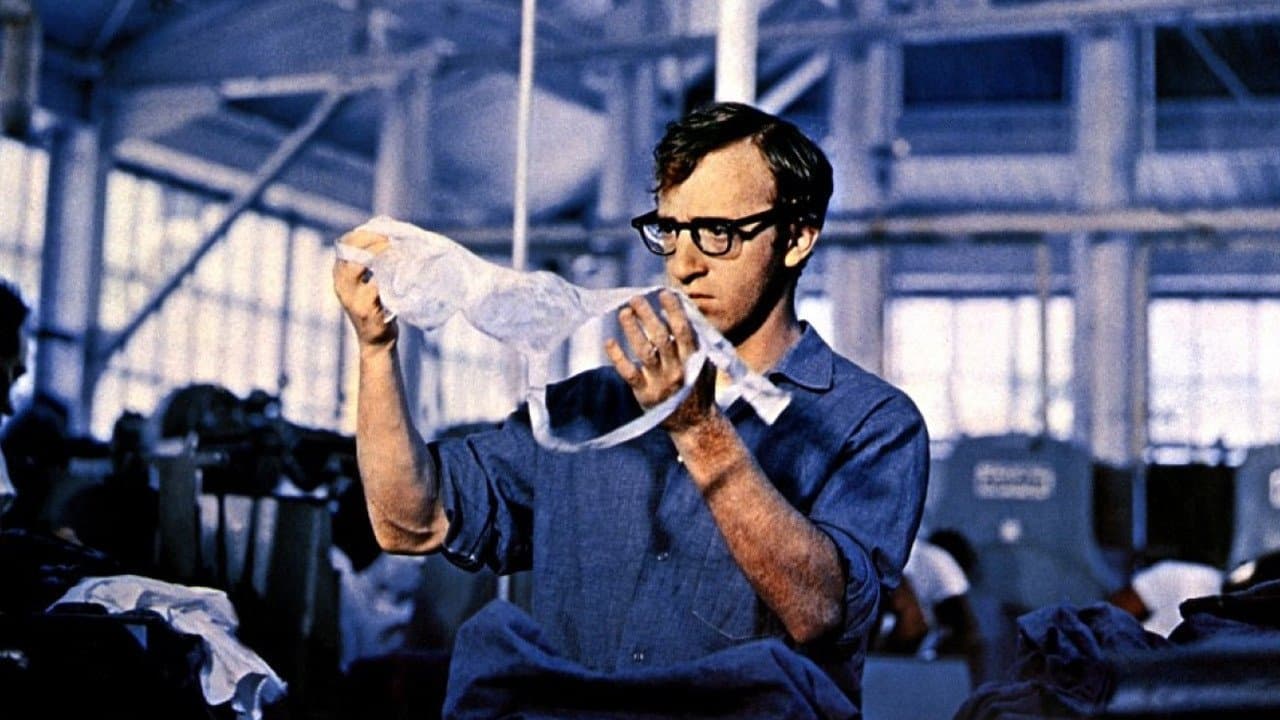
Después de salir de prisión, un ladrón de bancos se da cuenta de que no ha perdido las ganas de robar.
Director
Woody AllenGuión
Woody Allen, Mickey Rose





📝 Reseñas de críticos
1 reseñas
Marco-Hugo Landeta Vacas
15 jun 2025
(CASTELLANO) Hay películas que te atrapan de niño y no te sueltan jamás. Toma el dinero y corre fue la primera comedia de Woody Allen que vi —tenía unos diez años— y me marcó para siempre. Recuerdo reírme sin parar con aquel tipo de gafas grandes, nervioso y torpe, metido en líos cada vez más absurdos. Años después, volví a verla y la magia seguía intacta. Fue mi puerta de entrada a su cine, y todavía la considero una de sus películas más frescas y alocadas. Contada como un falso documental, la historia de Virgil Starkwell no tiene una gran trama, pero tampoco la necesita. Lo importante es la sucesión de gags, el humor absurdo y ese ritmo imparable que no da tregua. Desde la escena de la fuga con la pistola tallada en jabón hasta los interrogatorios, todo está lleno de momentos que hoy serían virales. Allen mezcla la parodia, el slapstick y el humor intelectual con una soltura que desarma. No intenta ser sofisticado; solo quiere hacer reír, y lo consigue con creces. Virgil, ese delincuente de medio pelo con alma de perdedor, ya anticipa al personaje neurótico y entrañable que Allen desarrollaría en el resto de su filmografía. Pero aquí no hay reflexiones existenciales ni diálogos sobre Kant: hay carcajadas, chistes visuales, entrevistas absurdas y una voz en off que remata cada situación con ironía. Y, aun con esa ligereza, hay un tono melancólico de fondo que lo hace especial. Porque Allen se ríe de su personaje, sí, pero también lo quiere. A lo largo de los años, el director ha pulido su estilo y nos ha dejado obras más elaboradas, pero pocas tan puras y directas como esta. Tiene ese encanto de las primeras veces, cuando todo es juego y descubrimiento. Quizá por eso funciona tan bien: no pretende impresionar, solo divertir. Y en ese intento, acierta de pleno. Reírse a carcajadas con algo que has visto mil veces no es fácil. Con esta película, sigue pasando. (ENGLISH) There are films that grab you as a kid and never let go. Take the Money and Run was the first Woody Allen comedy I ever saw — I must’ve been around ten — and it left a mark on me. I remember laughing nonstop at that nervous, clumsy guy with big glasses getting into increasingly ridiculous trouble. Years later, I watched it again and the magic was still there. It was my gateway into Allen’s cinema, and I still think it’s one of his wildest and most joyful works. Told as a mockumentary, the story of Virgil Starkwell doesn’t have much of a plot — and it doesn’t need one. What matters is the constant barrage of gags, absurd humor, and that relentless rhythm that never lets up. From the escape with a soap-carved gun to the police interrogations, it’s full of moments that would go viral today. Allen mixes parody, slapstick, and sharp wit with disarming ease. He’s not trying to be deep here — just funny — and he nails it. Virgil, the small-time crook with a loser’s soul, already foreshadows the neurotic, lovable characters that would become Allen’s signature. But here, there are no philosophical ramblings or talks about Kant — just laughs, visual gags, absurd interviews, and a voiceover that lands every punchline with irony. And somehow, beneath all that silliness, there’s a touch of melancholy that makes it even more charming. Allen laughs at his character, yes, but he also cares for him. Over the years, Allen has refined his style and given us more sophisticated films, but few feel as raw and direct as this one. It has that special energy of a first attempt, when everything feels like play and discovery. Maybe that’s why it works so well: it’s not trying to impress — just to entertain. And it truly does. Laughing out loud at something you’ve seen a dozen times is no small feat. This one still delivers.